How a Pizza Restaurant Designs the Perfect Menu
@rafaelqllm616
November 10, 2026 · 14 min read
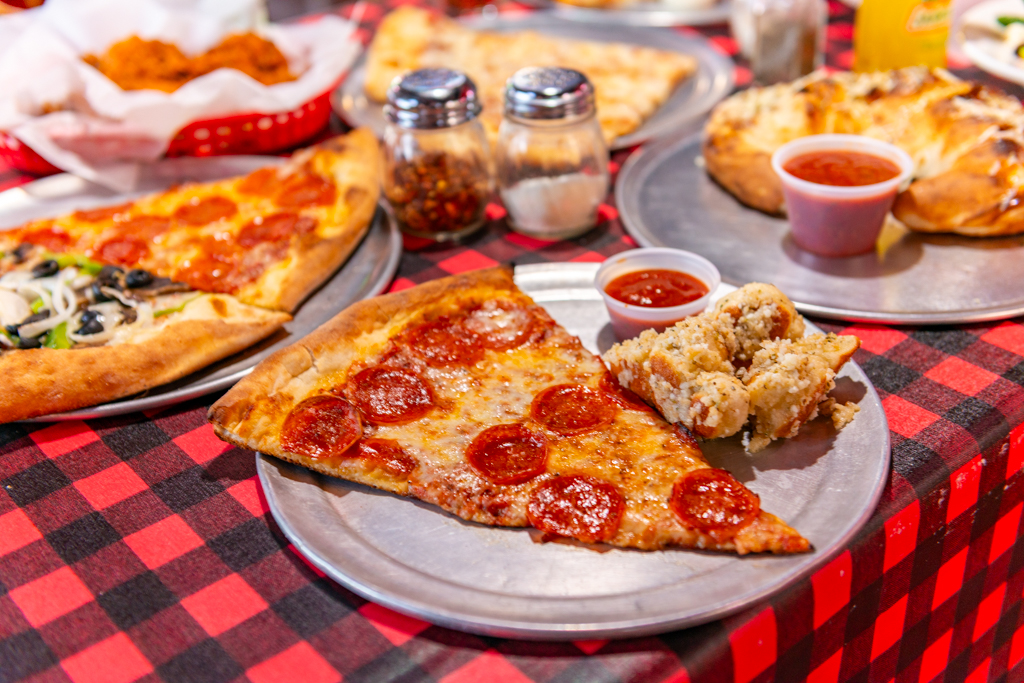

A great pizza menu looks simple when it reaches the table. A guest scans a page, spots a house pie, maybe a seasonal special, adds a salad, and orders without friction. Behind that ease sits an unusual amount of discipline. The best pizza restaurant menus are not built by asking what sounds good in a brainstorming session. They are built by balancing appetite, kitchen speed, ingredient overlap, price psychology, local habits, and the identity of the place itself.
Menu design matters more in pizza than many operators first realize. Pizza has broad appeal, but it also creates a trap. Because almost everyone likes pizza, it is easy to believe almost any combination will sell. In practice, too many choices slow service, complicate prep, inflate waste, and blur what the restaurant stands for. The strongest menus do the opposite. They help the customer decide quickly and help the kitchen execute consistently.
That is the real standard for a perfect menu. It is not the one with the most toppings or the widest range. It is the one that turns the restaurant’s concept into repeatable decisions, all the way from dough production to the final check average.
The menu starts long before the first topping
Most menu mistakes happen because owners begin with flavor combinations instead of operational reality. A pizza restaurant has to start with its dough, oven, and service style. Those three factors decide what kinds of pizzas will truly shine and which ideas will fight the system every night.
A wood-fired restaurant with a ninety-second bake has different strengths than a deck-oven shop turning out New York slices. The first can produce beautiful blistering, fast pickup, and a lighter topping load. The second may handle larger pies, more moisture, and a wider range of slice traffic. A pan pizza concept has yet another set of constraints, especially around proofing times, oil management, and holding quality.
That is why thoughtful operators build menus from the middle outward. They ask: what can our kitchen produce with confidence at full volume on a Friday at 7:15 p.m.? The answer to that question is often less glamorous than the answer to what sounds exciting on paper, but it is far more useful.
I have seen restaurants test ten or twelve signature pies before opening, only to discover that two of them drag ticket times by several minutes because they require separate finishing steps, extra garnish handling, or awkward oven timing. Those pizzas may taste excellent during a quiet afternoon tasting. They become liabilities when the rail fills up. A perfect menu respects peak-hour reality.
Knowing the customer without chasing everyone
A menu should serve a market, not a fantasy. The challenge is that pizza attracts several markets at once. Families want familiarity and value. Younger diners may want craft ingredients and a sharper point of view. Office lunch traffic cares about speed, portability, and price. Late-night guests want bold flavor and easy choices. Trying to satisfy all of them equally usually leads to a muddled menu.
The best approach is selective generosity. A pizza restaurant should know its core guest and make that person feel understood, while still leaving enough room for adjacent customers to find a comfortable entry point.
In a neighborhood family setting, for example, it makes sense to anchor the menu with recognizable combinations, a few premium upgrades, and flexible sizing. In a more chef-driven urban concept, the menu can lean harder into curated pies, smaller customization windows, and stronger ingredient storytelling. Both can work. What usually fails is a menu that mixes identities without deciding which one leads.
There is also a pricing dimension to this. If the brand promises artisan quality, bargain-basement pricing creates suspicion. If the brand promises value, luxury language around every ingredient feels inflated. Guests do not always express this mismatch directly, but they notice it. The menu should sound like the room, the service, and the product.
Why fewer pizzas often sell better
One of the hardest lessons for new operators is that abundance can depress sales. A menu with twenty-eight specialty pizzas may look generous, but it often creates hesitation. Guests compare too many similar options, custom orders increase, and the kitchen ends up carrying ingredients that move too slowly.
A tighter menu usually performs better for three reasons. First, it simplifies choice. Second, it strengthens purchasing and prep by concentrating demand. Third, it gives each pizza a clearer role.
The most effective pizza menus tend to have a modest core set. Enough variety to cover the major cravings, but not so much that every pie competes with its neighbor. In practical terms, that may mean a cheese, a pepperoni, a vegetable-forward pie, a white pie, a spicy option, a meat-heavy option, and a house signature or two. Beyond that, each additional pizza should earn its place through either strong sales, strong margins, or brand value.
There is a revealing pattern in menu reviews. When a restaurant cannot explain why a certain pizza exists beyond “some people like it,” that pizza usually does not belong. Good menus are edited menus.
Ingredient overlap is where profit hides
Customers tend to judge a menu by flavor and price. Operators live or die by what those choices do to inventory. The ideal pizza restaurant menu creates variety from a disciplined pantry.
That means the same roasted mushrooms might appear on a pizza, in a calzone, and alongside a small appetizer. The same hot honey can finish one signature pie and support a side dish. A good fennel sausage can carry a premium pizza, elevate a pasta special if the concept includes one, and justify its purchasing volume. When ingredients cross over intelligently, the restaurant gains flexibility and waste drops.
This does not mean every pizza should taste similar. It means the kitchen should not need eighteen obscure ingredients to create twelve menu items. Specialty products are valuable when they define the house or unlock memorable flavor. They become expensive vanity when they sit in the walk-in and expire.
One operator I know cut food cost by several points not by raising prices, but by removing four low-volume toppings and redesigning two underperforming signature pies around ingredients already used elsewhere. Guests barely noticed the changes. The kitchen noticed immediately. Prep got simpler, inventory got tighter, and the team stopped babying half-used containers of niche items.
The architecture of choice
Menu design is partly culinary and partly editorial. The guest should land on a decision with confidence, not exhaustion. That requires a clear structure.
The first decision is whether the restaurant is leading with house pies, build-your-own, or slices. Some places can do all three well, but the menu still needs a hierarchy. If custom pizza is the main event, the topping section should be legible and intuitive. If signature pies define the brand, they should come first and read as complete ideas, not as random ingredient stacks.
Descriptions matter here. Guests do not need novel-length copy, but they do need enough information to understand what makes one pie different from the next. The strongest descriptions use concrete ingredients and avoid empty adjectives. “San Marzano tomato, fior di latte, basil, olive oil” is stronger than “classic flavors with a premium twist.” The first tells the truth. The second fills space.
Names deserve care too. Clever names can add personality, but only if the customer can still identify the pizza quickly. A title like “The Garden State” needs support from a clean description. If every pizza name is a joke, the menu turns into decoding work. That slows ordering and weakens the brand.
There is also sequencing. Familiar items should anchor the page, while more adventurous pizzas should appear where a guest can discover them without feeling trapped by them. A well-built menu guides rather than pushes.
Pricing is strategy, not arithmetic
Many operators price pizza by adding up food cost and applying a target multiplier. That is a useful starting point, but not an actual pricing strategy. A perfect menu prices according to role, comparison, and perception as much as raw cost.
The classic cheese pizza often acts as a benchmark. Guests read its price and use it to judge the rest of the menu. If it is too high, the entire restaurant can feel expensive, even when premium pies are fairly priced. If it is too low, margin suffers and the rest of the menu may look inflated by comparison. Getting that anchor right matters.
Size architecture is just as important. Small, medium, and large pricing should create logical steps without making one size feel like a trick. Customers are quick to sense when the middle size exists only to steer them elsewhere. The best price ladders make each option defensible for a different occasion, whether solo dining, a couple, or a group.
Toppings introduce another problem. Uniform topping pricing is simple, but it can quietly punish the business when premium meats and fresh cheeses cost far more than onions or olives. Tiered topping prices are more accurate, though they must stay readable. If the menu becomes a math exercise, guests disengage.
Restaurants also need to account for hidden labor. A pie loaded with five wet toppings may not just cost more in ingredients. It may bake slower, require more attention, and risk quality inconsistency. That should show up in menu design, whether through pricing, topping limits, or steering guests toward combinations that perform better.
The silent influence of the kitchen line
A menu is only as good as the motions it demands from the cooks. That is why the smartest pizza restaurant menus are designed with the line in mind.
Every extra topping bin, every garnish pass, every special crust request adds friction. One special request is manageable. Fifty in a rush can bend an entire shift. A menu should therefore consider not just what can be made, but what can be made repeatedly without fatigue-driven errors.
There is a useful discipline in mapping each pizza from dough stretch to cut board. When two pizzas require nearly identical steps except for one awkward off-line finish, that final flourish should be questioned. Restaurants often protect these details because they seem distinctive. Sometimes they are. Often they are just expensive habits.
A kitchen-friendly menu also respects oven capacity. Certain topping combinations hold water, slow browning, or https://augustwptn701.fotosdefrases.com/why-a-pizza-restaurant-is-a-timeless-dining-choice demand rotation. If too many popular pizzas behave that way, the restaurant creates its own bottleneck. A better menu spreads demand across items with different bake profiles or limits combinations that damage throughput.
This is where theory meets service. On paper, twelve signature pies may look balanced. In a live rush, if seven of them require extra finishing greens, one uses a different cheese blend, and three need par-baked vegetables, the line suffers. Guests feel that in ticket times, even if they never see the process.
Variety without chaos
Most successful pizza menus satisfy several emotional needs at once. They offer comfort, indulgence, freshness, and at least one point of surprise. The challenge is doing that without drifting into a crowded catalog.
A useful way to think about menu balance is across craving states rather than ingredient categories. Some guests want the clean certainty of margherita. Some want salty richness, like pepperoni with extra cheese. Some want contrast, such as bitter greens against sausage or sweetness against heat. Some want something that feels lighter, even if they are still eating pizza.
When a menu covers those lanes clearly, it feels broad even if it is compact. That is a better outcome than listing every possible topping combination. Guests rarely ask for infinite possibility. They ask for confidence that the restaurant understands what people actually want to eat.
Seasonal features can help here, provided they are truly seasonal and operationally sound. A summer corn pizza or a fall squash pie can energize regulars and give staff something fresh to talk about. But seasonal items should not become experiments that hijack prep or introduce fragile ingredients with no backup use. The perfect menu makes room for freshness without destabilizing the core.
The role of non-pizza items
A pizza restaurant is not only selling pizza. It is building a complete transaction. That often includes salads, starters, desserts, and beverages, all of which affect average check, pacing, and guest satisfaction.
The mistake is treating these categories as afterthoughts. A weak salad section, for example, can cost a restaurant family orders and group flexibility. Many parties want one fresh item on the table, whether for balance or for the person who is less excited by heavy food. A strong salad does not need to be elaborate. It needs to be crisp, well dressed, and proportioned for sharing if that fits the concept.
Appetizers should solve a service problem, not create one. If the kitchen can produce a simple starter quickly while pizzas bake, it smooths the guest experience and raises checks naturally. If appetizers require separate station chaos, they may hurt more than help.
Desserts often do best when they stay restrained. In many pizza restaurants, one or two dependable options outperform a pastry program that overreaches. The guest who says yes to dessert usually wants familiarity and ease, not a ten-minute explanation.
Beverages deserve equal thought. Beer, wine, and soft drinks can all shape menu tone. A neighborhood slice shop may thrive on cold beer and fountain sodas. A higher-end concept may use natural wines or regional drafts to reinforce personality. The key is fit. Beverage programs should support the style of food, not imitate another category of restaurant.
Data can sharpen instinct, but it cannot replace it
Once the menu is live, operators need to study it with honesty. Sales mix, contribution margin, waste, and prep burden all matter. So do guest comments and server feedback. But numbers need interpretation.
A pizza might have great sales because it is placed well on the menu, not because it is beloved. Another may sell modestly but attract exactly the kind of guest the brand wants. A third may show decent margins while quietly slowing the line every weekend. Good menu decisions come from reading data in context.
The most useful review cadence is steady and unsentimental. Not daily panic, not annual neglect. After enough volume, patterns emerge. You see which toppings are driving modifications, which pies guests reorder, which items get comped most often, and which products sit too long in storage.
When menu engineering is done well, changes are often subtle. A description gets tightened. A low-volume pizza disappears. Two ingredients are swapped to improve hold time. A size is repriced. A salad portion is adjusted. Guests experience these as signs of polish, not instability.
What the perfect menu feels like to the guest
For the diner, the ideal pizza menu creates a simple sensation: trust. It feels like the restaurant knows what it is doing. The choices are appealing but not messy. Prices feel coherent. Descriptions make sense. There is room for preference, but not a sense that the guest has to build the product from scratch to get something worthwhile.
That feeling is hard-earned. It comes from many small editorial decisions and many kitchen-based compromises. The perfect menu is usually not the most ambitious one the owner imagined at the start. It is the version that survived testing, service, cost review, and guest behavior without losing its soul.
If there is one habit that separates strong operators from weak ones, it is the willingness to edit. They cut items they personally like when those items hurt execution. They simplify choices when complexity stops helping the customer. They resist adding new pizzas just because a competitor has them. And they return, over and over, to the central question: does this menu help our restaurant make food people crave, at the quality we promise, every single night?
That is how a pizza restaurant designs the perfect menu. Not by chasing novelty, and not by stuffing every idea onto the page. It does it by making the page an honest reflection of the oven, the neighborhood, the staff, and the standards of the house. When those pieces line up, the menu stops being a list of pizzas and becomes a system that works.
RUFFRANO'S HELL'S KITCHEN PIZZA Security
385 Main St, Colorado Springs, CO 80911
(719) 390-4355
FAQ About pizza restaurant
Is there a Hell's Kitchen pizza restaurant in Security-Widefield?
Yes. Ruffrano's Hell's Kitchen Pizza has a Security-Widefield location at 385 Main St.
Where can I find pizza delivery in Security-Widefield?
Ruffrano's Security location offers online ordering. Enter your address at checkout to check delivery availability and fees.
Where can I find gluten-free pizza in Security-Widefield?
Ruffrano's menu lists a 12-inch gluten-free option. Call the Security location to confirm availability and ask about shared equipment if cross-contact is a concern.